
Giza Pyramids and the Sphinx
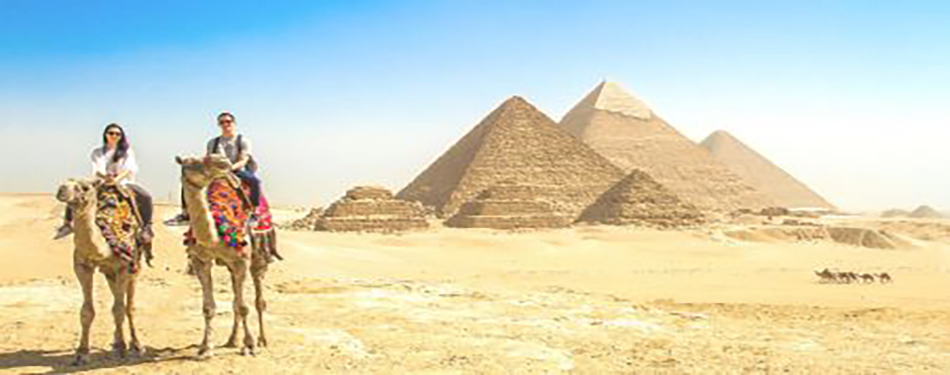
The Pyramids of Giza and the Great Sphinx are iconic symbols of ancient Egypt, showcasing remarkable engineering and rich historical significance. Overview of the Pyramids The Pyramids of Giza, located on the Giza Plateau near Cairo, are among the most famous and enduring monuments of ancient Egypt. They were constructed during the Fourth Dynasty of the Old Kingdom, around 2600 to 2500 BC. The three main pyramids are: The Great Pyramid of Khufu (Cheops): The largest of the three, originally standing at 481 feet (146 meters), it was built for Pharaoh Khufu and is one of the Seven Wonders of the Ancient World. The Pyramid of Khafre: Slightly smaller than Khufu's pyramid, it is notable for still having some of its original casing stones at the top. Khafre is believed to be Khufu's son. The Pyramid of Menkaure: The smallest of the three, it was built for Pharaoh Menkaure and stands at 213 feet (65 meters) tall. These pyramids served as monumental tombs for the pharaohs and were part of larger funerary complexes that included temples and smaller pyramids for queens. The Great Sphinx of Giza The Great Sphinx, located near the Pyramids, is a colossal limestone statue with the body of a lion and the head of a human, believed to represent Pharaoh Khafre. It measures approximately 240 feet (73 meters) long and 66 feet (20 meters) high, making it one of the largest and oldest statues in the world. The Sphinx is thought to have been constructed around the same time as the pyramids, during the reign of Khafre, around 2500 BC. Historical Significance Cultural Symbol: The Sphinx and the pyramids are emblematic of ancient Egyptian civilization, reflecting their architectural prowess and religious beliefs. The Sphinx is often associated with protection and serves as a guardian of the necropolis. Construction Techniques: The construction of these monumental structures involved advanced engineering techniques and a large workforce. Theories suggest that a system of ramps was used to transport the massive stone blocks into place. Mysteries and Theories: The exact methods of construction and the purpose of the Sphinx remain subjects of debate among scholars. Some theories propose that the Sphinx was built to honor Khafre, while others suggest it may have been constructed for Khufu or even earlier pharaohs. Conclusion
The Pyramids of Giza and the Great Sphinx continue to captivate historians, archaeologists, and tourists alike, standing as testaments to the ingenuity and cultural richness of ancient Egypt. Their enduring presence offers insights into the civilization that created them and the beliefs that shaped their construction.
Read more